
Urban Development
Supporting better urban systems through planning, institutional strengthening, implementation support and evidence-based approaches to the management of growing places.
SuDCA brings evidence, field experience, participatory engagement and multidisciplinary development expertise together to help institutions make better decisions and deliver meaningful results.
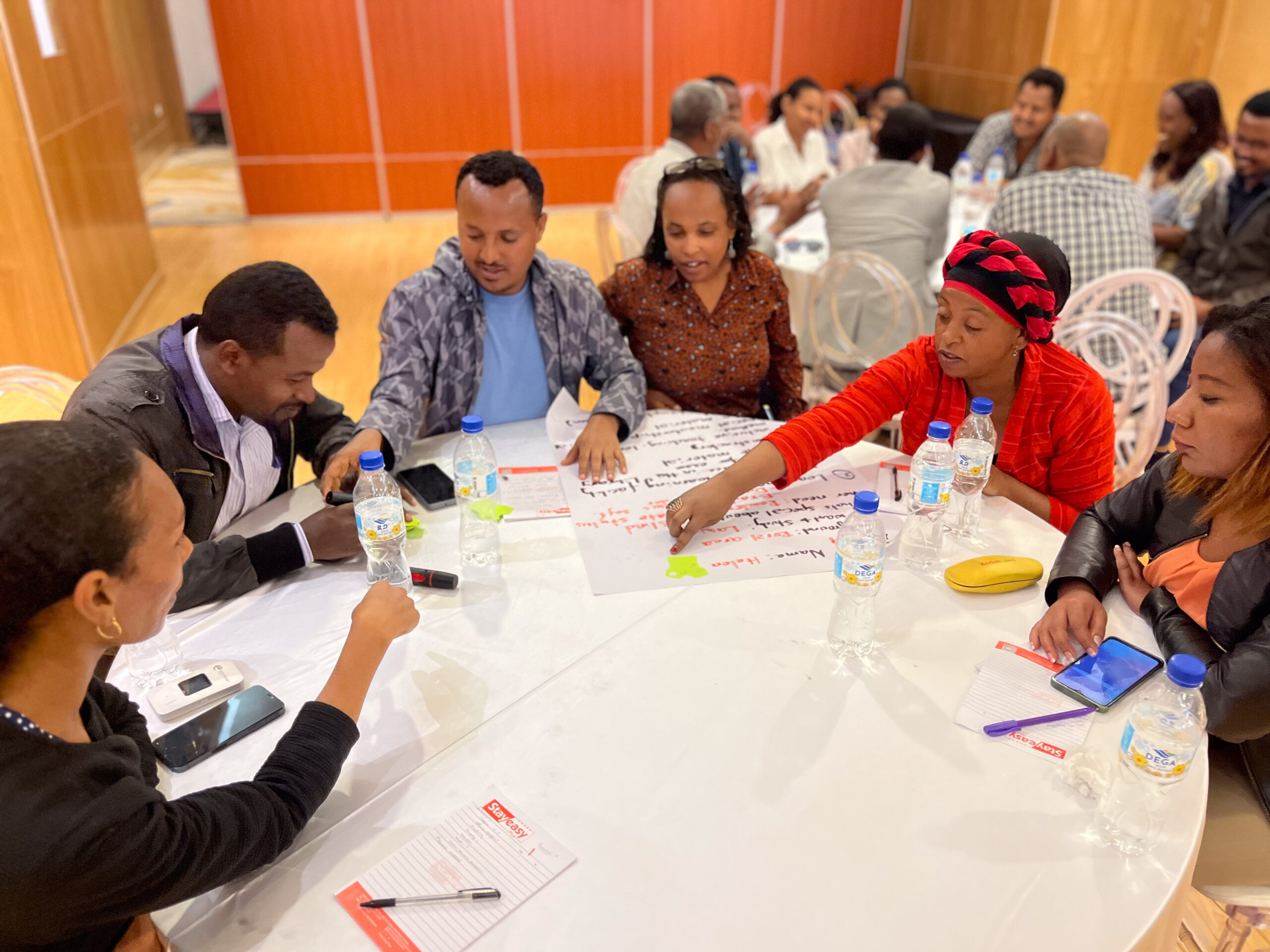
For SuDCA, impact is not simply the completion of an assignment. It is the ability to understand complex development realities, translate evidence into useful decisions, support implementation and strengthen the people and institutions responsible for sustaining results.
Our approach combines technical analysis with participation, stakeholder communication and practical knowledge transfer — creating solutions that are grounded in the realities of the places and communities where development happens.
SuDCA's development practice brings together complementary areas of expertise rather than treating development challenges as isolated problems.
Supporting better urban systems through planning, institutional strengthening, implementation support and evidence-based approaches to the management of growing places.
From programme design and implementation to monitoring and evaluation, SuDCA helps translate development objectives into structured action and measurable learning.
Generating evidence through surveys, assessments, research and analysis that helps institutions understand communities, livelihoods, needs, outcomes and development priorities.
Applying development thinking to natural resources, climate resilience, agriculture and environmental challenges while keeping communities and sustainable resource use at the centre.
Our work is designed around a continuous connection between understanding the problem, informing decisions, supporting action and learning from results.
Listen to communities, institutions and stakeholders while gathering the evidence needed to understand the development context.
Apply research, socioeconomic analysis, technical assessment and systems thinking to turn information into insight.
Translate findings into practical programme, project and institutional responses that can be implemented in real settings.
Evaluate results, capture lessons and strengthen institutional capacity so knowledge continues creating value beyond one assignment.
SuDCA's philosophy places people and stakeholders at the centre of development work. Technical analysis becomes more useful when it reflects local realities, institutional contexts and the experience of the communities affected by development decisions.
SuDCA's documented experience spans urban development, socioeconomic research, programme implementation, evaluation, agriculture, health and natural-resource related development work.

SuDCA has documented experience in urban development and local government development assignments, including work associated with the Urban Local Government Development Project.
Explore urban development →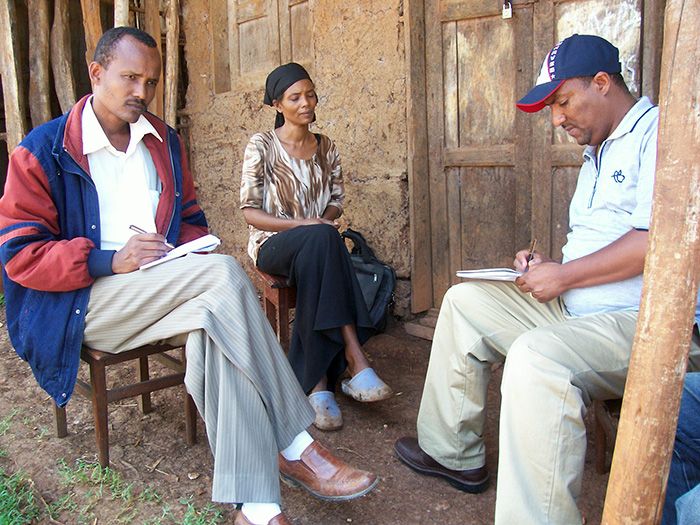
Socioeconomic surveys, baseline studies, assessments and research support evidence-led development decisions.
.jpg)
SuDCA's documented work includes agricultural, climate, natural-resource and rural development related assignments.
Our methodology is designed to balance technical quality with participation, institutional realities and implementation needs.
We clarify the development challenge, intended users of the work and the decisions the assignment needs to support.
Research, surveys, field assessments, stakeholder consultations and available data are combined according to the assignment.
Findings are translated into clear analysis, recommendations, designs, frameworks or implementation pathways.
Stakeholders and client teams remain part of the process through consultation, review, discussion and collaborative problem solving.
Knowledge transfer and institutional learning help ensure that useful approaches continue after the assignment concludes.
._(21503211062).jpg)

SuDCA's philosophy recognizes that sustainable development depends not only on technical outputs but also on the ability of institutions and people to use, adapt and build on what has been learned.
Bring us the question, the programme, the evidence gap or the implementation challenge. Together, we can explore the right approach.